Mindfulness Summer Activities for Kids: Promoting Mental Well-being
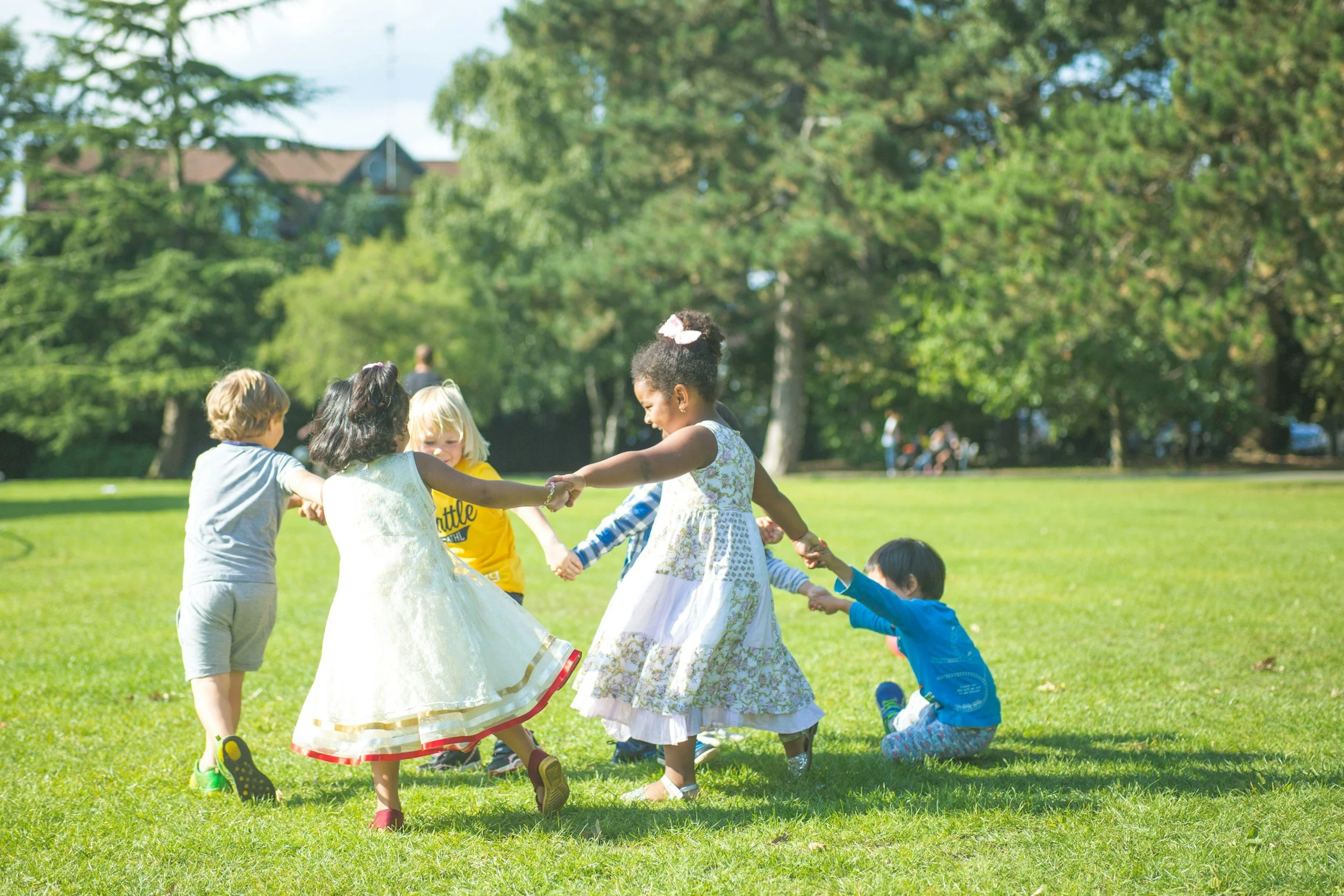
Summer offers children a welcome break from school routines, providing more time to play, explore, and connect with family. While it's a season filled with fun and adventure, it's also an ideal opportunity to nurture your child's emotional well-being and help your child thrive during summer break. Practicing mindfulness during the summer can help children develop resilience, manage anxiety, improve focus, and build healthy coping skills that last long after vacation ends.
At Childverse Inc., we believe that supporting children's mental health begins with simple, meaningful moments. By incorporating parent resources & tools and mindfulness into everyday summer activities, parents can help children feel calmer, more confident, and emotionally connected.
What Is Mindfulness?
Mindfulness is the practice of paying attention to the present moment with curiosity and without judgment. For children, mindfulness means learning to notice their thoughts, feelings, and surroundings while developing healthy ways to respond to emotions.
Children who practice mindfulness often experience:
Improved emotional regulation
Reduced stress and anxiety
Better concentration
Increased self-confidence
Stronger relationships
Greater resilience during challenges
The best part? Mindfulness doesn't require expensive equipment or lengthy lessons. It can be practiced through everyday activities your family already enjoys.
1. Nature Walks with a Purpose
Take a family walk through a park, nature trail, or even your neighborhood. Encourage your child to slow down and use their senses.
Ask questions like:
What do you hear?
What colors do you notice?
Can you feel the breeze?
What smells do you recognize?
Helping children become aware of their surroundings encourages relaxation while reducing anxious thoughts about the future.
2. Bubble Breathing
Blowing bubbles is one of the easiest mindfulness exercises for younger children.
Teach your child to:
Take a slow deep breath in.
Blow gently to create one large bubble.
Watch the bubble float away.
This activity naturally teaches controlled breathing, which helps calm the body's stress response and can be especially helpful when children feel overwhelmed.
3. Create a Gratitude Garden
Whether you have a garden, flowerpot, or simply paper flowers, encourage your child to share something they're grateful for each day.
Examples include:
A good friend
Family time
Sunshine
Their favorite book
Playing outside
Practicing gratitude helps children focus on positive experiences while strengthening emotional resilience.
4. Mindful Art Time
Art allows children to slow down while expressing emotions they may not have words for.
Provide simple materials like:
Crayons
Colored pencils
Paint
Sidewalk chalk
Rather than focusing on creating a perfect picture, encourage your child to enjoy the creative process itself. Ask them how drawing or painting makes them feel.
5. Family Breathing Breaks
Set aside just five minutes each day for quiet breathing together.
Try this simple exercise:
Breathe in for four seconds.
Hold for two seconds.
Slowly breathe out for four seconds.
Children often feel more comfortable practicing mindfulness when parents participate alongside them.
6. Mindful Reading Together
Reading books together creates opportunities to discuss emotions, empathy, and problem-solving.
After reading, ask questions like:
How do you think the character felt?
What would you have done?
What made the character feel brave?
Books help children understand emotions while strengthening communication between parents and children.
7. Create a Calm-Down Corner
Summer schedules can still include moments of frustration or overstimulation.
Designate a quiet area with:
Soft pillows
Books
Coloring pages
Sensory toys
Stuffed animals
Help your child understand this is not a punishment but a safe place to relax, breathe, and reset.
Mindfulness Builds Lifelong Skills
Mindfulness isn't about eliminating every worry or difficult emotion. Instead, it teaches children that emotions are normal and that they have healthy tools to navigate them.
When parents model calmness, empathy, and emotional awareness, children learn to approach challenges with greater confidence. These daily habits can help reduce anxiety, improve emotional regulation, and strengthen family relationships.
Summer provides countless opportunities to slow down and be present. Whether you're blowing bubbles in the backyard, taking a mindful walk, or sharing a quiet conversation before bedtime, these simple moments help children feel safe, supported, and emotionally connected.
Supporting Your Child's Emotional Journey
Every child deserves to feel seen, heard, and understood. By weaving mindfulness into everyday summer activities, parents can create lasting memories while promoting emotional wellness and resilience.
At Childverse Inc., we're committed to helping families navigate children's mental health with practical resources, mental health workshops, professional guidance, and compassionate support. Together, we can help children build confidence, manage anxiety, develop resilience, and thrive—one mindful moment at a time.