Social Anxiety in Children: Building Stronger Connections
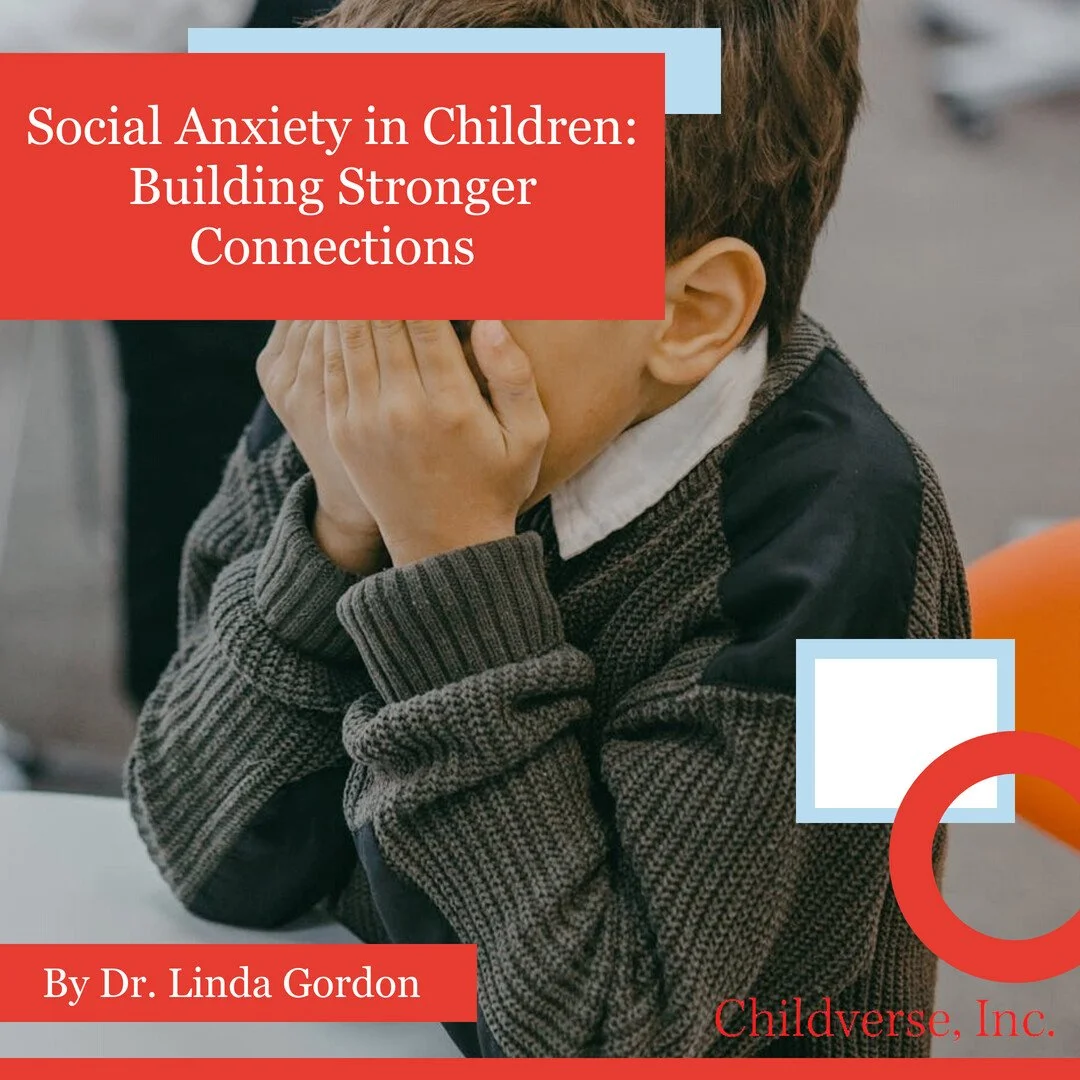
Understanding social anxiety in children has become increasingly important for parents, educators, and caregivers. While many children feel shy or nervous in unfamiliar situations, persistent fear of social interactions can interfere with emotional development, friendships, and academic experiences. Early recognition and supportive guidance can help children build confidence and meaningful connections.
Organizations such as Childverse, Inc.™, led by Dr. Linda R. Gordon, emphasize the importance of addressing childhood emotional health through informed public health education and practical resources for families. By learning how to identify and support children experiencing social anxiety, parents can create environments that encourage resilience and healthy communication.
What Is Social Anxiety in Children?
Social anxiety in children refers to an intense and persistent fear of social situations where they may feel judged, embarrassed, or scrutinized. Unlike occasional shyness, social anxiety disorder can significantly impact daily life.
Children experiencing social anxiety may worry excessively about situations such as:
Speaking in class
Meeting new people
Participating in group activities
Attending birthday parties or school events
Being called on by teachers
According to the American Academy of Child and Adolescent Psychiatry, untreated social anxiety can contribute to avoidance behaviors that affect academic performance, friendships, and self-esteem.
Parents who understand these patterns early can take proactive steps to support their child’s emotional wellbeing.
Common Signs of Social Anxiety in Children
Recognizing the symptoms of social anxiety allows parents and caregivers to respond with empathy and guidance rather than frustration.
Some common signs include:
Avoidance of Social Situations
Children may resist attending school events, group activities, or gatherings with peers.
Physical Symptoms
Anxiety may manifest physically through stomachaches, headaches, sweating, trembling, or nausea before social events.
Fear of Embarrassment
Children may worry intensely about making mistakes, saying the wrong thing, or being laughed at.
Difficulty Speaking in Groups
Even children who speak comfortably at home may become quiet or withdrawn in classrooms or public settings.
Excessive Reassurance Seeking
Children with social anxiety often seek constant reassurance from parents before interacting with others.
Resources from the National Institute of Mental Health provide helpful information about how anxiety disorders can present differently in children than in adults.
What Causes Social Anxiety in Children?
Social anxiety typically develops through a combination of biological, psychological, and environmental factors.
Temperament and Personality
Some children are naturally more cautious or sensitive in unfamiliar environments.
Family Environment
Children may internalize anxiety patterns observed in caregivers or family members.
Negative Social Experiences
Bullying, teasing, or embarrassing experiences can contribute to social fears.
Parents concerned about bullying can explore prevention resources from StopBullying.gov.
Digital Influences
Online interactions and social comparison can also influence how children perceive themselves socially.
Addressing these factors early supports healthy emotional development and reduces long-term stress.
How Parents Can Help Children Build Social Confidence
Supporting children with social anxiety requires patience, encouragement, and consistent communication. Small steps toward confidence can make a significant difference over time.
Encourage Gradual Social Exposure
Rather than forcing children into overwhelming situations, introduce social experiences gradually.
Examples include:
Playdates with one friend
Small group activities
Structured clubs or hobbies
These environments help children practice interaction skills in manageable settings.
Teach Emotional Awareness and Coping Skills
Children benefit from learning how to recognize and regulate anxious feelings. Techniques may include:
Deep breathing exercises
Positive self-talk
Visualizing successful interactions
Mindfulness practices can help children become more comfortable navigating emotional challenges.
Model Healthy Social Behavior
Children learn social cues and emotional responses by observing adults. Parents who demonstrate healthy communication, empathy, and problem-solving provide valuable examples.
Family discussions about feelings and social experiences can normalize emotional expression and reduce anxiety.
Create Opportunities for Skill Building
Confidence grows through experience. Parents can support children by encouraging activities that develop interpersonal skills such as:
Team sports
Performing arts
Volunteer programs
Youth clubs or faith-based groups
These environments help children practice communication and cooperation while building friendships.
When Professional Support May Be Helpful
In some cases, social anxiety may require guidance from trained professionals. Pediatricians, school counselors, or child psychologists can help assess symptoms and recommend appropriate support.
Evidence-based approaches such as cognitive behavioral therapy (CBT) have been shown to help children manage anxiety and develop healthier thought patterns.
Families seeking additional educational resources and child wellness guidance can explore the programs and materials offered by Childverse, Inc.™.
Through public health discourse, educational media, and resource navigation, Childverse promotes a supportive framework for addressing issues such as anxiety, bullying, and emotional wellbeing during childhood.
The Role of Community and Education
Addressing social anxiety in children is not solely the responsibility of parents. Schools, community organizations, and educators play an important role in fostering inclusive environments where children feel safe to express themselves.
Educational programs that encourage empathy, conflict resolution, and emotional literacy can help children develop stronger interpersonal skills.
With a background spanning clinical medicine, public health education, and community advocacy, Dr. Gordon’s work reflects a broader commitment to supporting healthy childhood development. Her academic training at institutions such as University of Chicago Pritzker School of Medicine and Emory University Rollins School of Public Health informs Childverse’s evidence-based approach to child wellness and public health education.
Helping Children Build Lifelong Confidence
While social anxiety can feel overwhelming for children and families, it is also highly manageable with early support and compassionate guidance. By fostering open conversations, encouraging gradual social engagement, and seeking professional resources when needed, parents can help children develop confidence and meaningful relationships.
As awareness grows around social anxiety in children, organizations like Childverse, Inc.™ continue to provide valuable insights that empower families to support children’s emotional wellbeing in healthy and constructive ways.
Strong connections, empathy, and encouragement can transform anxiety into resilience—helping children grow into confident individuals who feel comfortable engaging with the world around them.