When a Child Says “I Don’t Want to Go to School”: Listening Beneath the Words
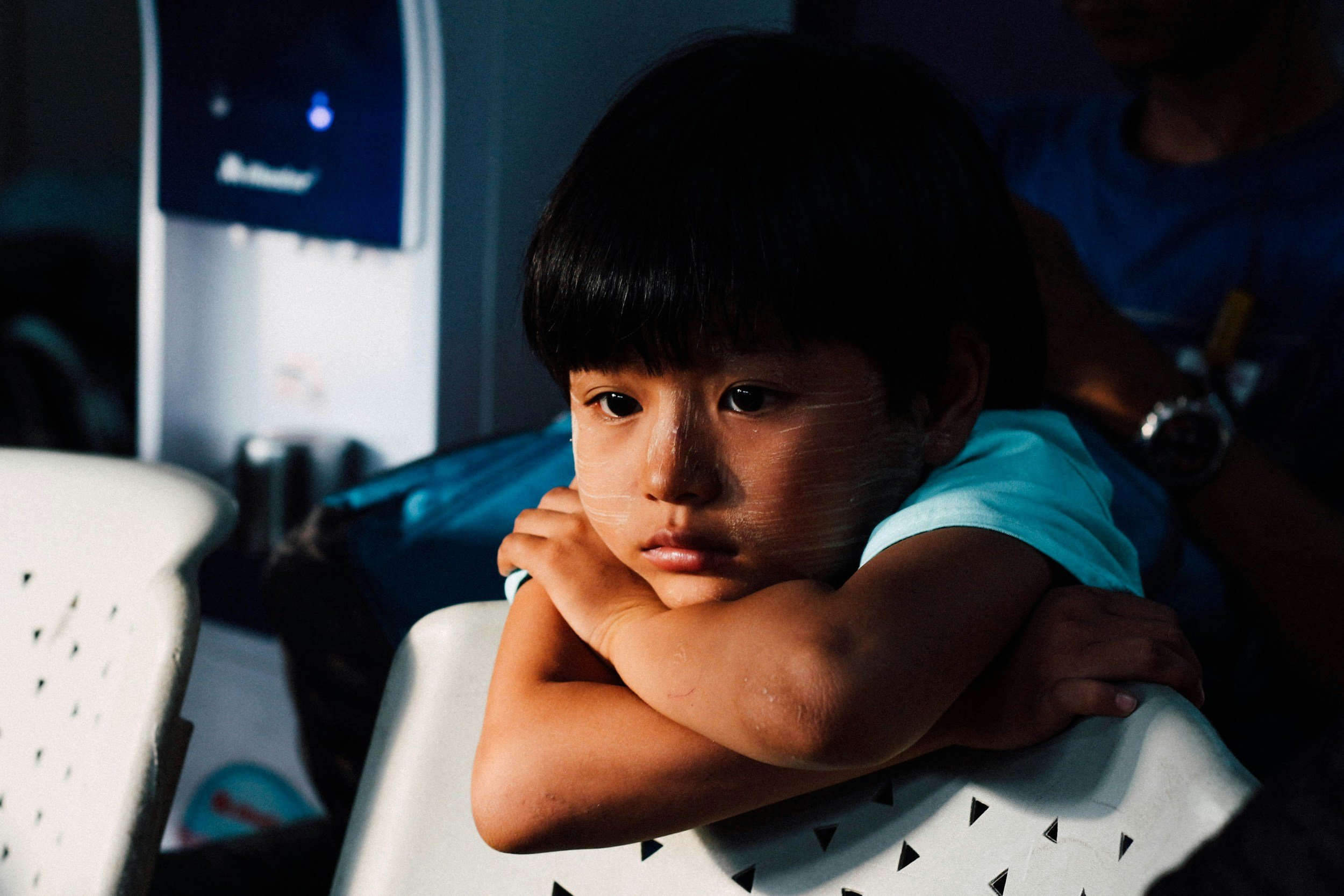
Sometimes the first sign that a child is struggling is a simple sentence spoken at the breakfast table. “I don’t want to go to school today.” For many parents, this moment can feel confusing. Is the child tired? Avoiding a test? Just having a bad morning? But for some children, that statement carries a much deeper story.
Beneath those words may be anxiety about fitting in, fear of being teased, or the quiet frustration of trying to keep up in a classroom that feels overwhelming. Children rarely have the language to explain exactly what they are experiencing. Instead, their struggles often show up through behavior. A child who once loved school may suddenly complain of stomachaches. Another may become unusually quiet, irritable, or withdrawn. When bullying, anxiety, or learning challenges enter a child’s life, their sense of safety can begin to shift.
School is where children spend much of their time learning not only academics, but also how to relate to others and understand themselves. When that environment feels unpredictable or discouraging, a child’s confidence can begin to erode. This is why the role of supportive adults becomes so important. The most powerful starting point is often listening.
When children share something difficult, they are not always asking for immediate solutions. Often they are searching for reassurance that their feelings make sense and that someone is willing to hear them. A simple response such as “I’m really glad you told me” or “That sounds hard” can open the door to deeper conversation. Children facing bullying, anxiety, or learning differences need to know that their experiences are taken seriously and that they are not facing those challenges alone.
Equally important is helping children understand that struggles do not define their abilities or their worth. Many children with learning differences, for example, possess incredible creativity, curiosity, and resilience. With the right support and encouragement, these strengths can shine. When parents and schools work together, children benefit from a stronger network of care.
Teachers may notice changes in behavior that parents do not see at home, while parents often understand emotional patterns that may not be visible in the classroom. When adults communicate openly and collaborate on solutions, children feel the impact. They see that the people in their lives are paying attention. They learn that asking for help is safe. Most importantly, they begin to understand that difficult experiences are not something they must face by themselves.
Childhood will always include moments of challenge. But when families, educators, and communities create environments rooted in empathy and cooperation, those challenges become opportunities for growth rather than sources of isolation. And sometimes, the path toward helping a child begins simply by pausing, listening carefully, and asking one gentle question: “What’s been making school feel hard lately?”

https://www.mindfulwithmel.com/
Melissa works closely with children, teens, and young adults and frequently helps families navigate challenges related to bullying, anxiety, and learning differences. Her approach focuses on helping parents understand the emotional signals behind children’s behavior and creating supportive communication between families and schools.
Psychotherapist, Child and Young Adult Behavioral/Mental Health Therapist, LCSW at Mindful with Mel